
About / Our Farm
The farm
The company operates farms across large areas in different parts of Egypt. The Egyptian climate carries both winter and summer growing seasons, which is what allows a single supplier to cultivate so wide a range of herbs, seeds and vegetables.
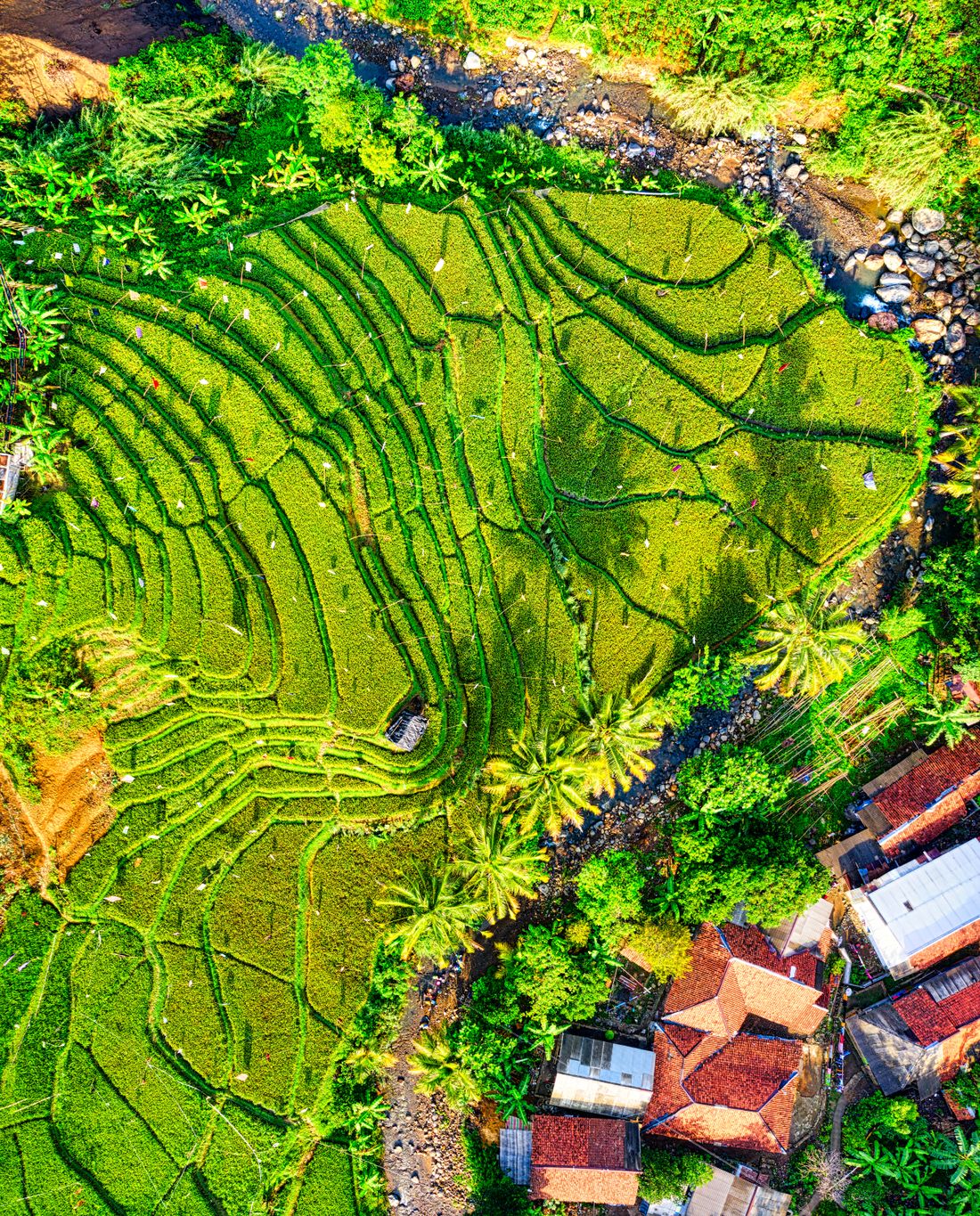
Cultivated rows seen from above. Growing areas are spread across several regions to match each crop to its season and soil.
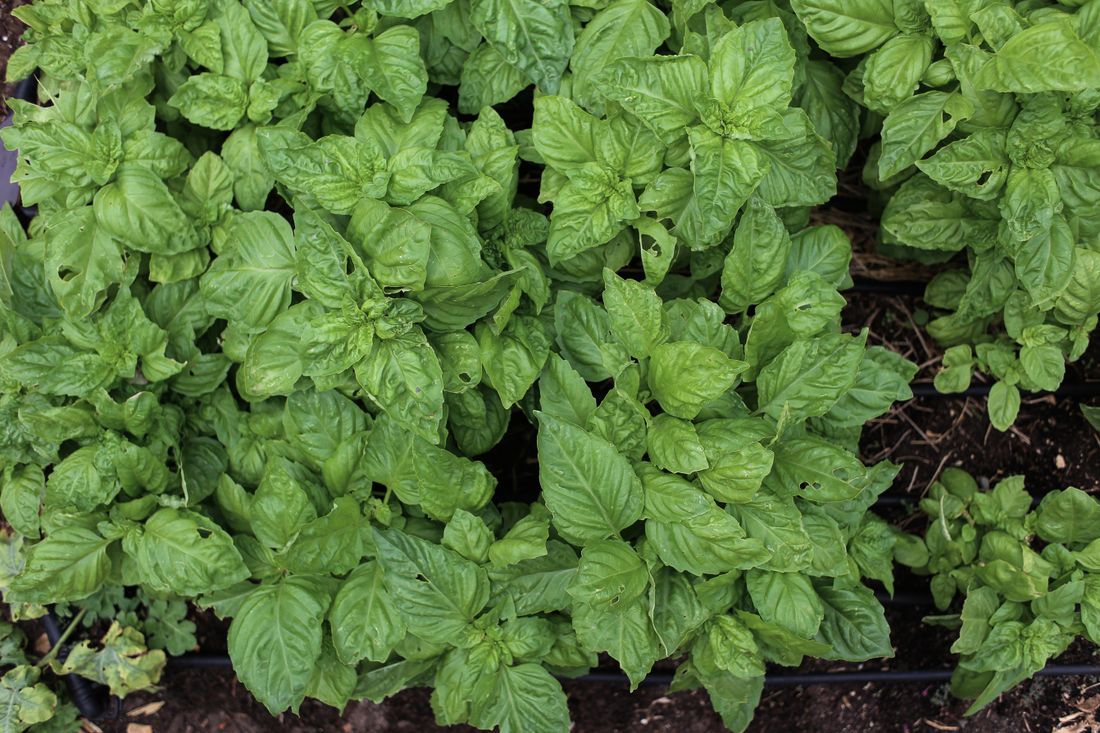
Leaf herbs in open ground. Flower herbs, leaf herbs, seed crops and vegetables each follow their own calendar.
Agronomy
Two seasons, one supplier
Winter plantings cover the flower and leaf herbs and the umbellifer seed crops; summer plantings carry the heat-tolerant crops, the peppers and the vegetables for dehydration. Running both seasons on own land means the catalog is supplied from the company's own harvest rather than assembled from the open market.
It also means agronomy decisions, from seed selection to harvest timing, are made with the final export specification already in view. Soil fertility is managed with organic matter, and crop protection relies on rotation, resistant selections and inputs permitted under the applicable regulations.
Inspection and auditing
The organic farms are inspected and audited regularly to confirm compliance with:
- Regulation (EC) 834/2007 + 889/2008European Union
- NaturlandAdditional provisions
- NOPUnited States, USDA
- JASJapan, MAFF
- Bio SuisseSwitzerland
- FairtradeSocial and trading terms
Winter plantings
Chamomile, calendula, the leaf herbs and the umbellifer seed crops: anise, caraway, coriander, fennel, dill, cumin.
Summer plantings
The heat-tolerant crops: basil, peppers, hibiscus, lemongrass, and the vegetables grown for dehydration.
Processing
Harvests move to the Al Fayoum facility for drying, cleaning, sizing and milling as each season lands.